+353-1-416-8900REST OF WORLD
+44-20-3973-8888REST OF WORLD
1-917-300-0470EAST COAST U.S
1-800-526-8630U.S. (TOLL FREE)

Global Satellite Transponder Market Size, Share & Industry Analysis Report by Frequency Band, Application, Service, Satellite Platform, Regional Outlook and Forecast, 2025-2032

  • PDF Icon

    Report

  • 625 Pages
  • April 2026
  • Marqual IT Solutions Pvt. Ltd (KBV Research)
  • ID: 6275737
The Global Road Safety Market size is estimated at $5.85 billion in 2025 and is expected to reach $14.44 billion by 2032, rising at a market growth of 13.8% CAGR during the forecast period (2025-2032). The projected growth of the road safety market is driven by increasing government regulations, rising road accident rates, and growing investments in smart transportation infrastructure. Adoption of advanced technologies such as AI-based traffic monitoring, speed enforcement systems, and intelligent signaling solutions further supports sustained market expansion at a strong CAGR through 2032.

Key Market Trends & Insights:

  • The North America market dominated Global Road Safety Market in 2024, accounting for a 38.99% revenue share in 2024.
  • The U.S. market is projected to maintain its leadership in North America, reaching a market size of USD 3.92 billion by 2032.
  • Among the various Solution segment, the Red Light & Speed Enforcement segment dominated the global market, contributing a revenue share of 48.62% in 2024.
  • In terms of Service, Professional Services are expected to lead the global market, with a projected revenue share of 76.29% by 2032.


Road safety has developed into a multifaceted component of modern transportation systems, propelled by increasing vehicle volumes, rising mobility demands, and urbanization. The field of road safety has expanded overtime to include vehicle safety regulations such as enhanced structural design, seat belts, and braking systems. With technological advancements, road safety has shifted into a complex ecosystem involving automotive manufacturers, governments, and technology providers. Innovations like airbags, anti-lock braking systems, and advanced driver assistance systems (ADAS) now play a crucial role in preventing accidents, while smart transportation systems allow automated enforcement, real-time monitoring, and data-driven decision-making.

The road safety market is driven by key trends including integration of advanced vehicle safety systems, adoption of digital traffic technologies, and the use of data analytics for proactive risk management. Stakeholders and governments are largely collaborating with technology providers to deploy automated enforcement systems, smart infrastructure, and predictive traffic management tools. Automotive manufacturers are prioritizing safety innovation to meet regulatory needs and consumer expectations. Public awareness campaigns, infrastructure enhancements, and integrated safety strategies further support accident reduction efforts. Road safety ecosystem is becoming more technology-driven and interconnected, with competition centered on regulatory compliance, innovation, and the capability to deliver comprehensive safety solutions that improve mobility and reduce road fatalities.

The major strategies followed by the market participants are Partnerships as the key developmental strategy to keep pace with the changing demands of end users. For instance, In May, 2025, Autoliv, Inc. teamed up with Formula E to promote automotive safety awareness. The collaboration focuses on increasing safety equipment usage, advancing electric vehicle safety technologies, and inspiring careers in safety. Branding and educational initiatives will be rolled out across Formula E races starting April 2025. Additionally, In September, 2024, Continental AG announced the partnership with RAC Connected to offer advanced telematics solutions for fleets, enhancing safety, efficiency, and compliance. Products like ConnectOne and Connect360 provide vehicle tracking, driver behavior insights, crash alerts, AI-based fatigue detection, and dashcam footage, helping fleet operators optimize operations and improve road safety outcomes.

KBV Cardinal Matrix - Market Competition Analysis


Based on the Analysis presented in the KBV Cardinal matrix; Siemens AG is the forerunner in the Road Safety Market. Companies such as Motorola Solutions, Inc., Continental AG, and Teledyne FLIR LLC are some of the key innovators in Road Safety Market. In November, 2024, Siemens AG teamed up with Roadscor to enhance road safety through advanced simulation tools like Simcenter Prescan and HEEDS. Supporting Vision Zero, their collaboration aims to proactively design safer urban infrastructure, bridging automotive and traffic engineering to identify and prevent potential hazards before construction, ensuring safety for all road users.

COVID-19 Impact Analysis

The COVID-19 pandemic hurt the road safety market because transportation dropped sharply during lockdowns, which lowered the need for traffic management systems, enforcement cameras, and road barriers. There were fewer cars on the road because of mobility restrictions, which made safety solutions less urgent. Governments put off building new roads and other infrastructure because they needed the money for healthcare and emergency response. Disruptions in the supply chain and temporary shutdowns made it hard to make and deliver important parts like sensors and traffic signals. Operations were slowed down even more by a lack of workers and strict rules. Also, the government couldn't spend as much on road safety programs because of budget constraints and lower public revenues. Because of this, many projects were put on hold, which slowed down market growth during the pandemic. Thus, the COVID-19 pandemic had a negative impact on the market.

Driving and Restraining Factors

Drivers
  • High Road Traffic Fatalities and Safety Concerns Across North America
  • Strong Government Road Safety Policies and Vision Zero Initiatives
  • Rapid Deployment of Intelligent Transportation Systems (ITS)
  • Increasing Adoption of Advanced Vehicle Safety Technologies
Restraints
  • High Costs of Upgrading Aging Road Infrastructure and Safety Technologies
  • Fragmented Data Systems and Limitations in Road Safety Data Collection
  • Regulatory Complexity and Public Resistance to Automated Enforcement Technologies
Opportunities
  • Expansion Of Intelligent Transportation Systems and Smart Road Infrastructure in North America
  • Increasing Integration of Advanced Driver Assistance Systems in Vehicles
  • Growing Development of Connected Vehicle and V2X Communication Ecosystems
Challenges
  • Rising Distracted Driving Due to Mobile Technology and In-Vehicle Interfaces
  • Aging Road Infrastructure and Maintenance Backlogs
  • Policy Fragmentation and Variability in Traffic Safety Regulations

Market Share Analysis


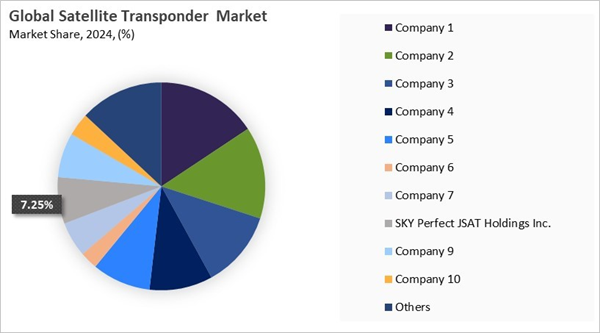
The leading players in the market are competing with diverse innovative offerings to remain competitive in the market. The above illustration shows the percentage of revenue shared by some of the leading companies in the market. The leading players of the market are adopting various strategies to cater demand coming from the different industries. The key developmental strategies in the market are Acquisitions, and Partnerships & Collaborations.

Service Outlook

Based on service, the road safety market is characterized into professional services and managed services. The managed services segment attained 22% revenue share in the road safety market in 2024.  Managed services involve third-party providers overseeing activities such as real-time system monitoring, software updates, data management, and routine maintenance of traffic enforcement and traffic management systems. Many government agencies and municipal authorities are increasingly adopting managed service models to ensure continuous performance and reliability of road safety technologies without maintaining extensive in-house technical resources.   

Solution Outlook

On the basis of solution, the road safety market is classified into red light & speed enforcement, automatic number/license plate recognition (ANPR/ALPR), incident detection & response, and other solutions. The automatic number/license plate recognition (ANPR/ALPR) segment recorded 27% revenue share in the road safety market in 2024.  These systems use high-resolution cameras and advanced image processing software to capture and analyze vehicle license plate information, allowing authorities to track vehicles and enforce traffic regulations more effectively. ANPR/ALPR technologies are widely integrated with law enforcement databases, toll collection systems, border control operations, and urban traffic surveillance networks.


Regional Outlook

Region-wise, the road safety market is analyzed across North America, Europe, Asia Pacific, and LAMEA. The North America segment recorded 39% revenue share in the road safety market in 2024.  In the North America and Europe regions, the road safety market is estimated to expand at a prominent rate in the forecast period. The market is driven by advanced infrastructure, strong regulatory frameworks, and widespread adoption of smart transportation systems. In North America, governments are investing largely in automated enforcement technologies, smart traffic management, and data-driven safety programs to reduce accident rates. The leading technology and automotive companies are surging the integration of connected vehicle technologies, advanced driver assistance systems (ADAS), and AI-powered traffic monitoring solutions. Moreover, Europe road safety market is predicted to capture a significant market share propelled by strict vehicle safety regulations like rigorous crash testing standards, and mandatory safety features. Nations across the region are implementing Vision Zero Initiatives, focusing on reducing road fatalities through a combination of infrastructure upgrades, public awareness, and enforcement. Further, the European Union’s regulations encourage vehicle automation and safety compliance, thereby supporting innovation and the adoption of advanced road safety solutions.

The road safety market is anticipated to grow at a substantial rate in the Asia Pacific and LAMEA regions. The market is fuelled by rising vehicle ownership, rapid urbanization, and ongoing infrastructure development. Nations like India, China, and Japan are investing in smart transportation systems and smart city projects to manage rising traffic congestion and enhance safety outcomes. Government initiatives promoting surveillance systems, digital traffic enforcement, and safer road infrastructure are propelling market growth. Furthermore, LAMEA is experiencing growth in the road safety market, with growth supported by international collaborations, increasing awareness, and government-led safety programs. Enhanced road infrastructure, investments in traffic monitoring systems, and regulatory reforms are gradually strengthening the ecosystem.

Market Competition and Attributes


The road safety market is characterized by moderate to high competition, with a mix of established solution providers and emerging technology players. The market shows partial consolidation, where leading participants hold a notable share, while smaller firms compete through innovation and niche offerings. Companies increasingly differentiate via AI-based analytics, integrated platforms, and smart enforcement systems. Strategic partnerships, mergers, and public-sector collaborations are common, intensifying rivalry. However, high costs and lack of standardization create entry barriers, shaping a competitive yet evolving landscape.

Recent Strategies Deployed in the Market

  • Mar-2025: Motorola Solutions, Inc. acquired RapidDeploy, a cloud-native 911 solution provider enhancing emergency response with real-time call location, mobile access, and analytics. Integrating with Motorola’s platforms, RapidDeploy improves situational awareness and speeds response times for first responders, supporting over 1,600 emergency centers across 24 states to boost public safety.
  • Sep-2024: Teledyne FLIR LLC unveiled the TrafiBot Dual AI multispectral camera to enhance interurban traffic safety. It offers advanced early fire detection, object classification, and traffic monitoring using AI and thermal imaging. Designed for flexible installation, it integrates with software for real-time incident alerts and management.
  • Aug-2024: SWARCO AG teamed up with NoTraffic to deliver AI-powered traffic management solutions across the US West Coast. This collaboration aims to reduce congestion, improve safety, and lower emissions using intelligent transportation systems. Their combined technologies will transform intersections into real-time, cloud-connected hubs for smarter, safer urban mobility.
  • Jul-2024: SWARCO AG acquired Ireland-based Elmore Group, specializing in ITS solutions. The acquisition strengthens SWARCO’s presence in Ireland, enhancing service capabilities for local authorities and infrastructure clients. Elmore’s legacy continues under SWARCO, aiming for broader reach and improved transportation technologies across the region.
  • Apr-2024: Teledyne FLIR LLC unveiled Cascade software to unify data from up to 300 traffic detectors, enabling real-time, efficient traffic and incident management. Compatible with existing SCADA, VMS, and control systems, Cascade helps traffic managers prioritize road safety, reduce delays, and respond faster using curated video, alerts, and flexible deployment options.

List of Key Companies Profiled

  • Kapsch TrafficCom AG
  • Jenoptik AG
  • SWARCO AG
  • Siemens AG
  • Motorola Solutions, Inc.
  • Teledyne FLIR LLC (Teledyne Technologies Incorporated)
  • IDEMIA SAS (Advent International, Inc.)
  • Conduent, Inc.
  • Autoliv, Inc.
  • Continental AG

Market Report Segmentation

By Service
  • Professional Services
  • Managed Services
By Solution
  • Red Light & Speed Enforcement
  • Automatic Number/License Plate Recognition (ANPR/ALPR)
  • Incident Detection & Response
  • Other Solution
By Geography
  • North America
    • US
    • Canada
    • Mexico
    • Rest of North America

  • Europe
    • Germany
    • UK
    • France
    • Russia
    • Spain
    • Italy
    • Rest of Europe

  • Asia Pacific
    • China
    • Japan
    • India
    • South Korea
    • Singapore
    • Malaysia
    • Rest of Asia Pacific

  • LAMEA
    • Brazil
    • Argentina
    • UAE
    • Saudi Arabia
    • South Africa
    • Nigeria
    • Rest of LAMEA

Table of Contents

Chapter 1. Market Scope & Methodology
1.1 Market Definition
1.2 Objectives
1.3 Market Scope
1.4 Segmentation
1.4.1 Global Satellite Transponder Market, by Frequency Band
1.4.2 Global Satellite Transponder Market, by Application
1.4.3 Global Satellite Transponder Market, by Service
1.4.4 Global Satellite Transponder Market, by Satellite Platform
1.4.5 Global Satellite Transponder Market, by Geography
1.5 Methodology for the Research
Chapter 2. Market at a Glance
2.1 Key Highlights
Chapter 3. Market Overview
3.1 Introduction
3.1.1 Overview
3.1.1.1 Market Composition and Scenario
3.2 Key Factors Impacting Market
3.2.1 Market Drivers
3.2.2 Market Restraints
3.2.3 Market Opportunities
3.2.4 Market Challenges
Chapter 4. Market TrendsChapter 5. State of CompetitionChapter 6. Market ConsolidationChapter 7. Key Customer CriteriaChapter 8. Product Life CycleChapter 9. Value Chain Analysis of Satellite Transponder Market
Chapter 10. Competition Analysis - Global
10.1 Market Share Analysis, 2024
10.2 Recent Strategies Deployed in Satellite Transponder Market
10.3 Porter Five Forces Analysis
Chapter 11. Global Satellite Transponder Market by Frequency Band
11.1 Global C Band Market by Region
11.2 Global Ku Band Market by Region`
11.3 Global Ka Band Market by Region
11.4 Global K Band Market by Region
11.5 Global Other Frequency Band Market by Region
Chapter 12. Global Satellite Transponder Market by Application
12.1 Global Commercial Communications Market by Region
12.2 Global Government/Military Market by Region
12.3 Global Remote Sensing Market by Region
12.4 Global Navigation Market by Region
12.5 Global R&D Market by Region
12.6 Global Other Application Market by Region
Chapter 13. Global Satellite Transponder Market by Service
13.1 Global Leasing Market by Region
13.2 Global Maintenance & Support Market by Region
13.3 Global Other Service Market by Region
Chapter 14. Global Satellite Transponder Market by Satellite Platform
14.1 Global Geostationary Earth Orbit Satellites (GEO) Market by Region
14.2 Global Low Earth Orbit Satellites (LEO) Market by Region
14.3 Global Medium Earth Orbit Satellites (MEO) Market by Region
14.4 Global High Elliptical Orbit Satellites (HEO) Market by Region
Chapter 15. Global Satellite Transponder Market by Region
15.1 North America Satellite Transponder Market
15.2 Key Factors Impacting Market
15.2.1 Market Drivers
15.2.2 Market Restraints
15.2.3 Market Opportunities
15.2.4 Market Challenges
15.2.5 Market Trends
15.2.6 State of Competition
15.2.7 Market Consolidation
15.2.8 Key Customer Criteria
15.2.9 Product Life Cycle
15.2.10 North America Satellite Transponder Market by Frequency Band
15.2.10.1 North America C Band Market by Region
15.2.10.2 North America Ku Band Market by Region
15.2.10.3 North America Ka Band Market by Region
15.2.10.4 North America K Band Market by Region
15.2.10.5 North America Other Frequency Band Market by Region
15.2.11 North America Satellite Transponder Market by Application
15.2.11.1 North America Commercial Communications Market by Country
15.2.11.2 North America Government/Military Market by Country
15.2.11.3 North America Remote Sensing Market by Country
15.2.11.4 North America Navigation Market by Country
15.2.11.5 North America R&D Market by Country
15.2.11.6 North America Other Application Market by Country
15.2.12 North America Satellite Transponder Market by Service
15.2.12.1 North America Leasing Market by Country
15.2.12.2 North America Maintenance & Support Market by Country
15.2.12.3 North America Other Service Market by Country
15.2.13 North America Satellite Transponder Market by Satellite Platform
15.2.13.1 North America Geostationary Earth Orbit Satellites (GEO) Market by Country
15.2.13.2 North America Low Earth Orbit Satellites (LEO) Market by Country
15.2.13.3 North America Medium Earth Orbit Satellites (MEO) Market by Country
15.2.13.4 North America High Elliptical Orbit Satellites (HEO) Market by Country
15.2.14 North America Satellite Transponder Market by Country
15.2.14.1 US Satellite Transponder Market
15.2.14.1.1 US Satellite Transponder Market by Frequency Band
15.2.14.1.2 US Satellite Transponder Market by Application
15.2.14.1.3 US Satellite Transponder Market by Service
15.2.14.1.4 US Satellite Transponder Market by Satellite Platform
15.2.14.2 Canada Satellite Transponder Market
15.2.14.2.1 Canada Satellite Transponder Market by Frequency Band
15.2.14.2.2 Canada Satellite Transponder Market by Application
15.2.14.2.3 Canada Satellite Transponder Market by Service
15.2.14.2.4 Canada Satellite Transponder Market by Satellite Platform
15.2.14.3 Mexico Satellite Transponder Market
15.2.14.3.1 Mexico Satellite Transponder Market by Frequency Band
15.2.14.3.2 Mexico Satellite Transponder Market by Application
15.2.14.3.3 Mexico Satellite Transponder Market by Service
15.2.14.3.4 Mexico Satellite Transponder Market by Satellite Platform
15.2.14.4 Rest of North America Satellite Transponder Market
15.2.14.4.1 Rest of North America Satellite Transponder Market by Frequency Band
15.2.14.4.2 Rest of North America Satellite Transponder Market by Application
15.2.14.4.3 Rest of North America Satellite Transponder Market by Service
15.2.14.4.4 Rest of North America Satellite Transponder Market by Satellite Platform
15.3 Europe Satellite Transponder Market
15.4 Key Factors Impacting Market
15.4.1 Market Drivers
15.4.2 Market Restraints
15.4.3 Market Opportunities
15.4.4 Market Challenges
15.4.5 Market Trends
15.4.6 State of Competition
15.4.7 Market Consolidation
15.4.8 Key Customer Criteria
15.4.9 Product Life Cycle
15.4.10 Europe Satellite Transponder Market by Frequency Band
15.4.10.1 Europe C Band Market by Country
15.4.10.2 Europe Ku Band Market by Country
15.4.10.3 Europe Ka Band Market by Country
15.4.10.4 Europe K Band Market by Country
15.4.10.5 Europe Other Frequency Band Market by Country
15.4.11 Europe Satellite Transponder Market by Application
15.4.11.1 Europe Commercial Communications Market by Country
15.4.11.2 Europe Government/Military Market by Country
15.4.11.3 Europe Remote Sensing Market by Country
15.4.11.4 Europe Navigation Market by Country
15.4.11.5 Europe R&D Market by Country
15.4.11.6 Europe Other Application Market by Country
15.4.12 Europe Satellite Transponder Market by Service
15.4.12.1 Europe Leasing Market by Country
15.4.12.2 Europe Maintenance & Support Market by Country
15.4.12.3 Europe Other Service Market by Country
15.4.13 Europe Satellite Transponder Market by Satellite Platform
15.4.13.1 Europe Geostationary Earth Orbit Satellites (GEO) Market by Country
15.4.13.2 Europe Low Earth Orbit Satellites (LEO) Market by Country
15.4.13.3 Europe Medium Earth Orbit Satellites (MEO) Market by Country
15.4.13.4 Europe High Elliptical Orbit Satellites (HEO) Market by Country
15.4.14 Europe Satellite Transponder Market by Country
15.4.14.1 Germany Satellite Transponder Market
15.4.14.1.1 Germany Satellite Transponder Market by Frequency Band
15.4.14.1.2 Germany Satellite Transponder Market by Application
15.4.14.1.3 Germany Satellite Transponder Market by Service
15.4.14.1.4 Germany Satellite Transponder Market by Satellite Platform
15.4.14.2 UK Satellite Transponder Market
15.4.14.2.1 UK Satellite Transponder Market by Frequency Band
15.4.14.2.2 UK Satellite Transponder Market by Application
15.4.14.2.3 UK Satellite Transponder Market by Service
15.4.14.2.4 UK Satellite Transponder Market by Satellite Platform
15.4.14.3 France Satellite Transponder Market
15.4.14.3.1 France Satellite Transponder Market by Frequency Band
15.4.14.3.2 France Satellite Transponder Market by Application
15.4.14.3.3 France Satellite Transponder Market by Service
15.4.14.3.4 France Satellite Transponder Market by Satellite Platform
15.4.14.4 Russia Satellite Transponder Market
15.4.14.4.1 Russia Satellite Transponder Market by Frequency Band
15.4.14.4.2 Russia Satellite Transponder Market by Application
15.4.14.4.3 Russia Satellite Transponder Market by Service
15.4.14.4.4 Russia Satellite Transponder Market by Satellite Platform
15.4.14.5 Spain Satellite Transponder Market
15.4.14.5.1 Spain Satellite Transponder Market by Frequency Band
15.4.14.5.2 Spain Satellite Transponder Market by Application
15.4.14.5.3 Spain Satellite Transponder Market by Service
15.4.14.5.4 Spain Satellite Transponder Market by Satellite Platform
15.4.14.6 Italy Satellite Transponder Market
15.4.14.6.1 Italy Satellite Transponder Market by Frequency Band
15.4.14.6.2 Italy Satellite Transponder Market by Application
15.4.14.6.3 Italy Satellite Transponder Market by Service
15.4.14.6.4 Italy Satellite Transponder Market by Satellite Platform
15.4.14.7 Rest of Europe Satellite Transponder Market
15.4.14.7.1 Rest of Europe Satellite Transponder Market by Frequency Band
15.4.14.7.2 Rest of Europe Satellite Transponder Market by Application
15.4.14.7.3 Rest of Europe Satellite Transponder Market by Service
15.4.14.7.4 Rest of Europe Satellite Transponder Market by Satellite Platform
15.5 Asia Pacific Satellite Transponder Market
15.6 Key Factors Impacting Market
15.6.1 Market Drivers
15.6.2 Market Restraints
15.6.3 Market Opportunities
15.6.4 Market Challenges
15.6.5 Market Trends
15.6.6 State of Competition
15.6.7 Market Consolidation
15.6.8 Key Customer Criteria
15.6.9 Product Life Cycle
15.6.10 Asia Pacific Satellite Transponder Market by Frequency Band
15.6.10.1 Asia Pacific C Band Market by Country
15.6.10.2 Asia Pacific Ku Band Market by Country
15.6.10.3 Asia Pacific Ka Band Market by Country
15.6.10.4 Asia Pacific K Band Market by Country
15.6.10.5 Asia Pacific Other Frequency Band Market by Country
15.6.11 Asia Pacific Satellite Transponder Market by Application
15.6.11.1 Asia Pacific Commercial Communications Market by Country
15.6.11.2 Asia Pacific Government/Military Market by Country
15.6.11.3 Asia Pacific Remote Sensing Market by Country
15.6.11.4 Asia Pacific Navigation Market by Country
15.6.11.5 Asia Pacific R&D Market by Country
15.6.11.6 Asia Pacific Other Application Market by Country
15.6.12 Asia Pacific Satellite Transponder Market by Service
15.6.12.1 Asia Pacific Leasing Market by Country
15.6.12.2 Asia Pacific Maintenance & Support Market by Country
15.6.12.3 Asia Pacific Other Service Market by Country
15.6.13 Asia Pacific Satellite Transponder Market by Satellite Platform
15.6.13.1 Asia Pacific Geostationary Earth Orbit Satellites (GEO) Market by Country
15.6.13.2 Asia Pacific Low Earth Orbit Satellites (LEO) Market by Country
15.6.13.3 Asia Pacific Medium Earth Orbit Satellites (MEO) Market by Country
15.6.13.4 Asia Pacific High Elliptical Orbit Satellites (HEO) Market by Country
15.6.14 Asia Pacific Satellite Transponder Market by Country
15.6.14.1 China Satellite Transponder Market
15.6.14.1.1 China Satellite Transponder Market by Frequency Band
15.6.14.1.2 China Satellite Transponder Market by Application
15.6.14.1.3 China Satellite Transponder Market by Service
15.6.14.1.4 China Satellite Transponder Market by Satellite Platform
15.6.14.2 Japan Satellite Transponder Market
15.6.14.2.1 Japan Satellite Transponder Market by Frequency Band
15.6.14.2.2 Japan Satellite Transponder Market by Application
15.6.14.2.3 Japan Satellite Transponder Market by Service
15.6.14.2.4 Japan Satellite Transponder Market by Satellite Platform
15.6.14.3 India Satellite Transponder Market
15.6.14.3.1 India Satellite Transponder Market by Frequency Band
15.6.14.3.2 India Satellite Transponder Market by Application
15.6.14.3.3 India Satellite Transponder Market by Service
15.6.14.3.4 India Satellite Transponder Market by Satellite Platform
15.6.14.4 South Korea Satellite Transponder Market
15.6.14.4.1 South Korea Satellite Transponder Market by Frequency Band
15.6.14.4.2 South Korea Satellite Transponder Market by Application
15.6.14.4.3 South Korea Satellite Transponder Market by Service
15.6.14.4.4 South Korea Satellite Transponder Market by Satellite Platform
15.6.14.5 Singapore Satellite Transponder Market
15.6.14.5.1 Singapore Satellite Transponder Market by Frequency Band
15.6.14.5.2 Singapore Satellite Transponder Market by Application
15.6.14.5.3 Singapore Satellite Transponder Market by Service
15.6.14.5.4 Singapore Satellite Transponder Market by Satellite Platform
15.6.14.6 Malaysia Satellite Transponder Market
15.6.14.6.1 Malaysia Satellite Transponder Market by Frequency Band
15.6.14.6.2 Malaysia Satellite Transponder Market by Application
15.6.14.6.3 Malaysia Satellite Transponder Market by Service
15.6.14.6.4 Malaysia Satellite Transponder Market by Satellite Platform
15.6.14.7 Rest of Asia Pacific Satellite Transponder Market
15.6.14.7.1 Rest of Asia Pacific Satellite Transponder Market by Frequency Band
15.6.14.7.2 Rest of Asia Pacific Satellite Transponder Market by Application
15.6.14.7.3 Rest of Asia Pacific Satellite Transponder Market by Service
15.6.14.7.4 Rest of Asia Pacific Satellite Transponder Market by Satellite Platform
15.7 LAMEA Satellite Transponder Market
15.8 Key Factors Impacting Market
15.8.1 Market Drivers
15.8.2 Market Restraints
15.8.3 Market Opportunities
15.8.4 Market Challenges
15.8.5 Market Trend
15.8.6 State of Competition
15.8.7 Market Consolidation
15.8.8 Key Customer Criteria
15.8.9 Product Life Cycle
15.8.10 LAMEA Satellite Transponder Market by Frequency Band
15.8.10.1 LAMEA C Band Market by Country
15.8.10.2 LAMEA Ku Band Market by Country
15.8.10.3 LAMEA Ka Band Market by Country
15.8.10.4 LAMEA K Band Market by Country
15.8.10.5 LAMEA Other Frequency Band Market by Country
15.8.11 LAMEA Satellite Transponder Market by Application
15.8.11.1 LAMEA Commercial Communications Market by Country
15.8.11.2 LAMEA Government/Military Market by Country
15.8.11.3 LAMEA Remote Sensing Market by Country
15.8.11.4 LAMEA Navigation Market by Country
15.8.11.5 LAMEA R&D Market by Country
15.8.11.6 LAMEA Other Application Market by Country
15.8.12 LAMEA Satellite Transponder Market by Service
15.8.12.1 LAMEA Leasing Market by Country
15.8.12.2 LAMEA Maintenance & Support Market by Country
15.8.12.3 LAMEA Other Service Market by Country
15.8.13 LAMEA Satellite Transponder Market by Satellite Platform
15.8.13.1 LAMEA Geostationary Earth Orbit Satellites (GEO) Market by Country
15.8.13.2 LAMEA Low Earth Orbit Satellites (LEO) Market by Country
15.8.13.3 LAMEA Medium Earth Orbit Satellites (MEO) Market by Country
15.8.13.4 LAMEA High Elliptical Orbit Satellites (HEO) Market by Country
15.8.14 LAMEA Satellite Transponder Market by Country
15.8.14.1 Brazil Satellite Transponder Market
15.8.14.1.1 Brazil Satellite Transponder Market by Frequency Band
15.8.14.1.2 Brazil Satellite Transponder Market by Application
15.8.14.1.3 Brazil Satellite Transponder Market by Service
15.8.14.1.4 Brazil Satellite Transponder Market by Satellite Platform
15.8.14.2 Argentina Satellite Transponder Market
15.8.14.2.1 Argentina Satellite Transponder Market by Frequency Band
15.8.14.2.2 Argentina Satellite Transponder Market by Application
15.8.14.2.3 Argentina Satellite Transponder Market by Service
15.8.14.2.4 Argentina Satellite Transponder Market by Satellite Platform
15.8.14.3 UAE Satellite Transponder Market
15.8.14.3.1 UAE Satellite Transponder Market by Frequency Band
15.8.14.3.2 UAE Satellite Transponder Market by Application
15.8.14.3.3 UAE Satellite Transponder Market by Service
15.8.14.3.4 UAE Satellite Transponder Market by Satellite Platform
15.8.14.4 Saudi Arabia Satellite Transponder Market
15.8.14.4.1 Saudi Arabia Satellite Transponder Market by Frequency Band
15.8.14.4.2 Saudi Arabia Satellite Transponder Market by Application
15.8.14.4.3 Saudi Arabia Satellite Transponder Market by Service
15.8.14.4.4 Saudi Arabia Satellite Transponder Market by Satellite Platform
15.8.14.5 South Africa Satellite Transponder Market
15.8.14.5.1 South Africa Satellite Transponder Market by Frequency Band
15.8.14.5.2 South Africa Satellite Transponder Market by Application
15.8.14.5.3 South Africa Satellite Transponder Market by Service
15.8.14.5.4 South Africa Satellite Transponder Market by Satellite Platform
15.8.14.6 Nigeria Satellite Transponder Market
15.8.14.6.1 Nigeria Satellite Transponder Market by Frequency Band
15.8.14.6.2 Nigeria Satellite Transponder Market by Application
15.8.14.6.3 Nigeria Satellite Transponder Market by Service
15.8.14.6.4 Nigeria Satellite Transponder Market by Satellite Platform
15.8.14.7 Rest of LAMEA Satellite Transponder Market
15.8.14.7.1 Rest of LAMEA Satellite Transponder Market by Frequency Band
15.8.14.7.2 Rest of LAMEA Satellite Transponder Market by Application
15.8.14.7.3 Rest of LAMEA Satellite Transponder Market by Service
15.8.14.7.4 Rest of LAMEA Satellite Transponder Market by Satellite Platform
Chapter 16. Company Profiles
16.1 Intelsat S.A.
16.1.1 Company Overview
16.1.2 Recent Strategies and Developments
16.1.2.1 Partnerships, Collaborations, and Agreements
16.2 SES S.A.
16.2.1 Company Overview
16.2.2 Financial Analysis
16.2.3 Recent Strategies and Developments
16.2.3.1 Product Launches and Product Expansions
16.3 EUTELSAT COMMUNICATIONS SA
16.3.1 Company Overview
16.3.2 Financial Analysis
16.3.3 Regional Analysis
16.3.4 Recent Strategies and Developments
16.3.4.1 Partnerships, Collaborations, and Agreements
16.3.5 SWOT Analysis
16.4 Telesat Corporation
16.4.1 Company Overview
16.4.2 Financial Analysis
16.4.3 Regional Analysis
16.4.4 Research & Development Expenses
16.5 EchoStar Corporation
16.5.1 Company Overview
16.5.2 Financial Analysis
16.5.3 Segmental and Regional Analysis
16.5.4 Research & Development Expenses
16.6 Thaicom Public Company Limited
16.6.1 Company Overview
16.6.2 Financial Analysis
16.6.3 Segmental and Regional Analysis
16.6.4 Recent Strategies and Developments
16.6.4.1 Partnerships, Collaborations, and Agreements
16.7 Singtel (Temasek Holdings (Private) Limited)
16.7.1 Company Overview
16.7.2 Financial Analysis
16.7.3 Segmental Analysis
16.7.4 SWOT Analysis
16.8 SKY Perfect JSAT Holdings Inc.
16.8.1 Company Overview
16.8.2 Financial Analysis
16.8.3 Segmental and Regional Analysis
16.9 Viasat, Inc.
16.9.1 Company Overview
16.9.2 Financial Analysis
16.9.3 Segmental and Regional Analysis
16.9.4 Research & Development Expenses
16.1 Asia Satellite Telecommunications Co. Ltd.
16.10.1 Company Overview
16.10.2 Recent Strategies and Developments
16.10.2.1 Acquisition and Mergers
Chapter 17. Winning Imperatives of Satellite Transponder Market

Companies Mentioned

  • Intelsat S.A.
  • SES S.A.
  • EUTELSAT COMMUNICATIONS SA
  • Telesat Corporation
  • EchoStar Corporation
  • Thaicom Public Company Limited
  • Singtel (Temasek Holdings (Private) Limited)
  • SKY Perfect JSAT Holdings Inc.
  • Viasat, Inc.
  • Asia Satellite Telecommunications Co. Ltd.