+353-1-416-8900REST OF WORLD
+44-20-3973-8888REST OF WORLD
1-917-300-0470EAST COAST U.S
1-800-526-8630U.S. (TOLL FREE)

Global Seatbelt Material Market Size, Share & Industry Analysis Report by Material Type, Vehicle Type, Component, Regional Outlook and Forecast, 2025-2032

  • PDF Icon

    Report

  • 482 Pages
  • April 2026
  • Marqual IT Solutions Pvt. Ltd (KBV Research)
  • ID: 6275742
The Global Satellite Transponder Market size is estimated at $14.66 billion in 2025 and is expected to reach $19.79 billion by 2032, rising at a market growth of 4.4% CAGR during the forecast period (2025-2032). Growth is supported by rising demand for satellite-based broadcasting, expanding broadband connectivity in remote regions, increasing deployment of high-throughput satellites, and growing government and defense communication needs. Additionally, expanding direct-to-home services, mobility connectivity for aviation and maritime sectors, and technological upgrades in satellite capacity contribute to market expansion through 2032.

Key Market Trends & Insights:

  • The North America market dominated Global Satellite Transponder Market in 2024, accounting for a 39.90% revenue share in 2024.
  • The U.S. market is projected to maintain its leadership in North America, reaching a market size of USD 5.94 billion by 2032.
  • Among the various Frequency Band, the C Band segment dominated the global market, contributing a revenue share of 34.49% in 2024.
  • In terms of Application, Commercial Communications segment is expected to lead the global market, with a projected revenue share of 55.50% by 2032.
  • Leasing segment emerged as the leading Service in 2024, capturing a 76.32% revenue share, and is projected to retain its dominance during the forecast period.
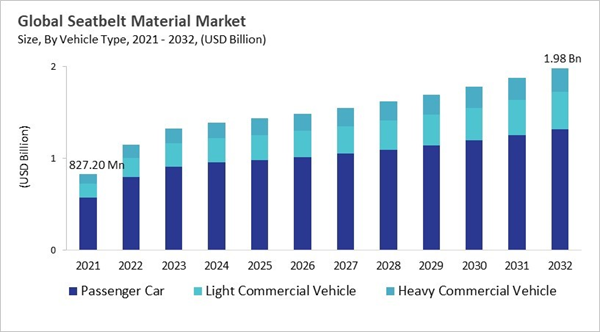
  • Geostationary Earth Orbit Satellites (GEO) segment in Satellite Platform is poised to grow at the market in 2032 with a market size of USD 12.96 billion and is projected to maintain its dominant position throughout the forecast period.


Satellite transponders are crucial components of communication satellites that receive signals from Earth, amplify them and shift their frequency, and retransmit them back to ground receivers. This process allows long-distance transmission of broadband data, television broadcasts, and voice communications through space-based infrastructure, especially in regions where terrestrial networks are not available. The evolution of satellite transponders began with early satellite communication milestones like the launch of Telstar-1, which supported the feasibility of transatlantic television transmission. Satellites in geostationary orbit expanded global communication capabilities, driven by regulatory coordination from enterprises like the International Telecommunication Union.

The satellite transponders market has developed significantly because of the increasing demand for broadband connectivity and advancements in satellite technology. Advanced frequency bands and high throughput satellites have largely surged data capacity, allowing high-speed connectivity for maritime operations, aviation, data-intensive digital services, and maritime operations. The deployment of medium Earth orbit and low Earth orbit satellite constellations has further reduced signal latency and enhanced coverage, accelerating the role of satellite networks in global digital infrastructure. Satellite transponders are largely integrated with terrestrial communication systems to support applications like Internet of Things (IoT) connectivity, 5G backhaul, and emergency communication.

Driving and Restraining Factors

Drivers
  • Rising Demand For Satellite-Based Broadband Connectivity
  • Expansion Of Direct-To-Home (DTH) Television And Digital Broadcasting
  • Growth Of High-Throughput Satellites (HTS) And Advanced Satellite Technologies
  • Increasing Use Of Satellite Communication In Defense, Aviation, And Maritime Sectors
Restraints
  • Spectrum Scarcity And Orbital Slot Limitations
  • High Capital Expenditure And Satellite Deployment Costs
  • Increasing Competition From Terrestrial And Alternative Communication Technologies
Opportunities
  • Expansion of High-Throughput and Multi-Orbit Transponder Capacity for Global Broadband Connectivity
  • Integration with 5G, IoT and Hybrid Terrestrial Space Networks
  • Expansion of Specialized Services Including Maritime, Aviation, Defense, and Emergency Communications
Challenges
  • Spectrum Scarcity And Frequency Allocation Complexities
  • Technical And Engineering Limits Of Transceiver Hardware
  • Regulatory Complexity And Global Coordination Burden

Market Share Analysis


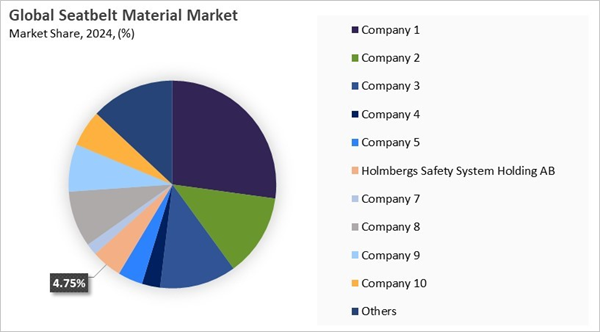
The leading players in the market are competing with diverse innovative offerings to remain competitive in the market. The above illustration shows the percentage of revenue shared by some of the leading companies in the market. The leading players of the market are adopting various strategies in order to cater demand coming from the different industries. The key developmental strategies in the market are Acquisitions, and Partnerships & Collaborations.

COVID-19 Impact Analysis

During the first phase of the COVID-19 pandemic, the Satellite Transponder Market was only slightly affected because global supply chains were disrupted and satellite manufacturing and launch schedules were pushed back. Lockdowns and travel bans made it harder to get the parts needed to build satellites and slowed down production. Several planned satellite launches were put off because launch facilities and logistics operations were having trouble working. The pandemic also had an effect on investment decisions in fields like telecommunications and broadcasting, which slowed the demand for new satellite capacity by a small amount. Some satellite operators put off plans to grow because of uncertainty in the economy and lower advertising revenues in the broadcasting industry. But as the pandemic went on, the market slowly got back to normal. The continued use of satellite services was supported by the growing need for reliable communication, remote access, and digital broadcasting during lockdowns. Because of this, supply chains got back on track and satellite launches started up again, which helped the market get back to normal. Thus, the COVID-19 pandemic had a mild negative impact on the market.

Application Outlook

On the basis of application, the satellite transponder market is classified into commercial communications, government/military, remote sensing, navigation, R&D, and other application. The government/military segment recorded 19% revenue share in the satellite transponder market in 2024. This is reflecting the strategic importance of secure and resilient satellite communication systems. Governments worldwide depend on satellite transponders for defense communications, border security coordination, disaster response, and secure data transmission. Satellite infrastructure ensures operational continuity during emergencies or terrestrial network disruptions.

Service Outlook

By service, the satellite transponder market is divided into leasing, maintenance & support, and other service. The maintenance & support segment recorded 17% revenue share in the satellite transponder market in 2024.  Satellite operators require continuous monitoring, technical diagnostics, software updates, and ground station management to maintain optimal transponder performance. As satellite fleets incorporate advanced technologies and high-throughput capabilities, professional maintenance services become critical to minimizing downtime and preserving signal quality.

Regional Outlook

Region-wise, the satellite transponder market is analyzed across North America, Europe, Asia Pacific, and LAMEA.  The North America segment recorded 40% revenue share in the satellite transponder market in 2024.  In the North America and Europe regions, the satellite transponders market is projected to capture prominent growth. This is because of significant investments in space technology, strong satellited communication infrastructure, and the presence of major satellite operators like Telesat, SES, and Intelsat. Further, the region is experiencing growth because of high demand for satellite-based broadcasting, activation communication, broadband connectivity, and defense applications. Expansion of satellite broadband services in rural regions, rising deployment of high-throughput satellites, and increasing adoption of satellite-based IoT and government communication networks are some of the elements accelerating market expansion. Moreover, the European satellite transponders market is predicted to capture significant growth. The market is driven by well-established regulatory frameworks, strong aerospace capabilities, and investments in satellite communication infrastructure. Nations including Germany, France, and UK are largely contributing substantially to government communication programs, media broadcasting services, and advanced space initiatives led by enterprises like the European Space Agency.

The satellite transponders market is estimated to experience substantial growth in the Asia Pacific and LAMEA. The market is growing because of rising satellite launches, expanding telecommunications infrastructure, and increasing demand for broadband connectivity in remote areas. Regional nations like Japan, South Korea, China, and India are largely investing in space exploration programs, satellite communication systems, and low-Earth-orbit satellite constellations to support data intensive applications and enhance digital connectivity. The expansion of enterprise communication networks, direct-to-home television services, and aviation connectivity is leading to market expansion. Furthermore, the LAMEA satellite transponders market is expected to expand at a steady pace. This is due to the need for a reliable communication infrastructure across underserved areas. Also, in Latin America, the demand is supported by rural broadcasting and broadband services. The Middle East and Africa widely rely on satellite communication for disaster management, telecom backhaul, and defense communication.

Recent Strategies Deployed in the Market

  • Jun-2025: Intelsat S.A. teamed up with IKOMG to expand faith-based broadcasting across North America using the Galaxy 19 satellite. This collaboration enhances content delivery via satellite transponders, providing greater access to religious programming for audiences relying on satellite TV, reflecting demand growth in the satellite transponder market.
  • Apr-2025: EUTELSAT COMMUNICATIONS SA signed an agreement with Panasonic Avionics for multi-gigahertz Ku‑band capacity on EUTELSAT 10B. This multi-million-dollar, multi-year deal enhances Panasonic’s geo-stationary satellite connectivity footprint, ensuring airlines across Europe, the Atlantic, Africa, the Middle East, and Indian Ocean receive consistent, high-throughput inflight broadband service.
  • Oct-2024: Thaicom Public Company Limited teamed up with INVIDI Technologies and PSI to advance Thailand's media sector. This collaboration aims to deliver addressable advertising via satellite platforms, enhancing content delivery and audience targeting. The initiative strengthens satellite transponder utilization, supporting the evolving needs of broadcasters and advertisers in Thailand's satellite communication market.
  • Jun-2024: SES S.A. unveiled its ASTRA 1P satellite aboard SpaceX's Falcon 9 rocket. Designed with high-capacity transponders, ASTRA 1P will enhance SES’s broadcasting services across Europe. This launch demonstrates ongoing investment and growth in satellite infrastructure, reinforcing the company’s role in the expanding Satellite Transponder Market.
  • Feb-2021: Asia Satellite Telecommunications Co. Ltd. announced the acquisition of Koreasat‑3 (a Lockheed Martin A2100 satellite launched in 1999) from KT Corporation renamed ABS‑7 and stationed at 116°E, it adds 24 Ku-band and 3 Ka-band transponders - boosting ABS’s Middle East broadband, VSAT, cellular backhaul, and government-service capabilities.

List of Key Companies Profiled

  • Intelsat S.A.
  • SES S.A.
  • EUTELSAT COMMUNICATIONS SA
  • Telesat Corporation
  • EchoStar Corporation
  • Thaicom Public Company Limited
  • Singtel (Temasek Holdings (Private) Limited)
  • SKY Perfect JSAT Holdings Inc.
  • Viasat, Inc.
  • Asia Satellite Telecommunications Co. Ltd.

Market Report Segmentation

By Frequency Band
  • C Band
  • Ku Band
  • Ka Band
  • K Band
  • Other Frequency Band
By Application
  • Commercial Communications
  • Government/Military
  • Remote Sensing
  • Navigation
  • R&D
  • Other Application
By Service
  • Leasing
  • Maintenance & Support
  • Other Service
By Satellite Platform
  • Geostationary Earth Orbit Satellites (GEO)
  • Low Earth Orbit Satellites (LEO)
  • Medium Earth Orbit Satellites (MEO)
  • High Elliptical Orbit Satellites (HEO)
By Geography
  • North America
    • US
    • Canada
    • Mexico
    • Rest of North America

  • Europe
    • Germany
    • UK
    • France
    • Russia
    • Spain
    • Italy
    • Rest of Europe

  • Asia Pacific
    • China
    • Japan
    • India
    • South Korea
    • Singapore
    • Malaysia
    • Rest of Asia Pacific

  • LAMEA
    • Brazil
    • Argentina
    • UAE
    • Saudi Arabia
    • South Africa
    • Nigeria
    • Rest of LAMEA

Table of Contents

Chapter 1. Market Scope & Methodology
1.1 Market Definition
1.2 Objectives
1.3 Market Scope
1.4 Segmentation
1.4.1 Global Seatbelt Material Market, by Material Type
1.4.2 Global Seatbelt Material Market, by Vehicle Type
1.4.3 Global Seatbelt Material Market, by Component
1.4.4 Global Seatbelt Material Market, by Geography
1.5 Methodology for the Research
Chapter 2. Market at a Glance
2.1 Key Highlights
Chapter 3. Market Overview
3.1 Introduction
3.1.1 Overview
3.1.1.1 Market Competition and Scenario
3.2 Key Factors Impacting the Market
3.2.1 Market Drivers
3.2.2 Market Restraints
3.2.3 Market Opportunities
3.2.4 Market Challenges
Chapter 4. Market Trends - Seatbelt Material Market
4.1 Overview
4.2 Key Market Trends
Chapter 5. State of Competition - Seatbelt Material Market
5.1 Overview
5.2 Key Competitive Factors
Chapter 6. Market Consolidation - Seatbelt Material Market
6.1 Overview
6.2 Key Market Consolidation Factors
Chapter 7. Key Customer Criteria - Seatbelt Material Market
7.1 Overview
7.2 Key Customer Criteria
Chapter 8. Product Life Cycle - Seatbelt Material Market
8.1 Overview
8.2 Introduction Stage
8.3 Growth Stage
8.4 Maturity Stage
8.5 Decline Stage
Chapter 9. Value Chain Analysis of Seatbelt Material Market
9.1 Overview
9.2 Stages of Value Chain
Chapter 10. Competitive Analysis - Global
10.1 Market Share Analysis, 2024
10.2 Porter Five Forces Analysis
Chapter 11. Global Seatbelt Material Market by Material Type
11.1 Overview
11.2 Global Steel & Aluminium Market by Region
11.3 Global Nylon Market by Region
11.4 Global Polycarbonate Market by Region
Chapter 12. Global Seatbelt Material Market by Vehicle Type
12.1 Overview
12.2 Global Passenger Car Market by Region
12.3 Global Light Commercial Vehicle Market by Region
12.4 Global Heavy Commercial Vehicle Market by Region
Chapter 13. Global Seatbelt Material Market by Component
13.1 Overview
13.2 Global Retractor Market by Region
13.3 Global Buckle Market by Region
13.4 Global Anchor Market by Region
13.5 Global Other Component Market by Region
Chapter 14. Global Seatbelt Material Market by Region
14.1 Overview
14.2 North America Seatbelt Material Market
14.2.1 Overview
14.2.2 Key Factors Impacting the Market - North America Seatbelt Material Market
14.2.2.1 Market Drivers
14.2.2.2 Market Restraints
14.2.2.3 Market Opportunities
14.2.2.4 Market Challenges
14.2.3 Market Trends - North America Seatbelt Material Market
14.2.3.1 Overview
14.2.3.2 Key Market Trends
14.2.4 State of Competition - North America Seatbelt Material Market
14.2.4.1 Overview
14.2.4.2 Key Competitive Factors
14.2.5 Market Consolidation - North America Seatbelt Material Market
14.2.5.1 Overview
14.2.5.2 Key Market Consolidation Factors
14.2.6 Key Customer Criteria - North America Seatbelt Material Market
14.2.6.1 Overview
14.2.6.2 Key Customer Criteria
14.2.7 Product Life Cycle - North America Seatbelt Material Market
14.2.7.1 Overview
14.2.7.2 Introduction Stage
14.2.7.3 Growth Stage
14.2.7.4 Maturity Stage
14.2.7.5 Decline Stage
14.2.8 North America Seatbelt Material Market by Material Type
14.2.8.1 Overview
14.2.8.2 North America Steel & Aluminium Market by Country
14.2.8.3 North America Nylon Market by Country
14.2.8.4 North America Polycarbonate Market by Country
14.2.9 North America Seatbelt Material Market by Vehicle Type
14.2.9.1 Overview
14.2.9.2 North America Passenger Car Market by Country
14.2.9.3 North America Light Commercial Vehicle Market by Country
14.2.9.4 North America Heavy Commercial Vehicle Market by Country
14.2.10 North America Seatbelt Material Market by Component
14.2.10.1 Overview
14.2.10.2 North America Retractor Market by Country
14.2.10.3 North America Buckle Market by Country
14.2.10.4 North America Anchor Market by Country
14.2.10.5 North America Other Component Market by Country
14.2.11 North America Seatbelt Material Market by Country
14.2.11.1 Overview
14.2.11.2 US Seatbelt Material Market
14.2.11.2.1 Overview
14.2.11.2.2 US Seatbelt Material Market by Material Type
14.2.11.2.3 US Seatbelt Material Market by Vehicle Type
14.2.11.2.4 US Seatbelt Material Market by Component
14.2.11.3 Canada Seatbelt Material Market
14.2.11.3.1 Overview
14.2.11.3.2 Canada Seatbelt Material Market by Material Type
14.2.11.3.3 Canada Seatbelt Material Market by Vehicle Type
14.2.11.3.4 Canada Seatbelt Material Market by Component
14.2.11.4 Mexico Seatbelt Material Market
14.2.11.4.1 Overview
14.2.11.4.2 Mexico Seatbelt Material Market by Material Type
14.2.11.4.3 Mexico Seatbelt Material Market by Vehicle Type
14.2.11.4.4 Mexico Seatbelt Material Market by Component
14.2.11.5 Rest of North America Seatbelt Material Market
14.2.11.5.1 Overview
14.2.11.5.2 Rest of North America Seatbelt Material Market by Material Type
14.2.11.5.3 Rest of North America Seatbelt Material Market by Vehicle Type
14.2.11.5.4 Rest of North America Seatbelt Material Market by Component
14.3 Europe Seatbelt Material Market
14.3.1 Overview
14.3.2 Key Factors Impacting Market - Europe Seatbelt Material Market
14.3.2.1 Market Drivers
14.3.2.2 Market Restraints
14.3.2.3 Market Opportunities
14.3.2.4 Market Challenges
14.3.3 Market Trends - Europe Seatbelt Material Market
14.3.3.1 Overview
14.3.3.2 Key Market Trends
14.3.4 State of Competition - Europe Seatbelt Material Market
14.3.4.1 Overview
14.3.4.2 Key Competitive Factors
14.3.5 Market Consolidation - Europe Seatbelt Material Market
14.3.5.1 Overview
14.3.5.2 Key Market Consolidation Factors
14.3.6 Key Criteria Customer - Europe Seatbelt Material Market
14.3.6.1 Overview
14.3.6.2 Key Customer Criteria
14.3.7 Product Life Cycle - Europe Seatbelt Material Market
14.3.7.1 Overview
14.3.7.2 Introduction Stage
14.3.7.3 Growth Stage
14.3.7.4 Maturity Stage
14.3.7.5 Decline Stage
14.3.8 Europe Seatbelt Material Market by Material Type
14.3.8.1 Overview
14.3.8.2 Europe Steel & Aluminium Market by Country
14.3.8.3 Europe Nylon Market by Country
14.3.8.4 Europe Polycarbonate Market by Country
14.3.9 Europe Seatbelt Material Market by Vehicle Type
14.3.9.1 Overview
14.3.9.2 Europe Passenger Car Market by Country
14.3.9.3 Europe Light Commercial Vehicle Market by Country
14.3.9.4 Europe Heavy Commercial Vehicle Market by Country
14.3.10 Europe Seatbelt Material Market by Component
14.3.10.1 Overview
14.3.10.2 Europe Retractor Market by Country
14.3.10.3 Europe Buckle Market by Country
14.3.10.4 Europe Anchor Market by Country
14.3.10.5 Europe Other Component Market by Country
14.3.11 Europe Seatbelt Material Market by Country
14.3.11.1 Overview
14.3.11.2 Germany Seatbelt Material Market
14.3.11.2.1 Overview
14.3.11.2.2 Germany Seatbelt Material Market by Material Type
14.3.11.2.3 Germany Seatbelt Material Market by Vehicle Type
14.3.11.2.4 Germany Seatbelt Material Market by Component
14.3.11.3 UK Seatbelt Material Market
14.3.11.3.1 Overview
14.3.11.3.2 UK Seatbelt Material Market by Material Type
14.3.11.3.3 UK Seatbelt Material Market by Vehicle Type
14.3.11.3.4 UK Seatbelt Material Market by Component
14.3.11.4 France Seatbelt Material Market
14.3.11.4.1 Overview
14.3.11.4.2 France Seatbelt Material Market by Material Type
14.3.11.4.3 France Seatbelt Material Market by Vehicle Type
14.3.11.4.4 France Seatbelt Material Market by Component
14.3.11.5 Russia Seatbelt Material Market
14.3.11.5.1 Overview
14.3.11.5.2 Russia Seatbelt Material Market by Material Type
14.3.11.5.3 Russia Seatbelt Material Market by Vehicle Type
14.3.11.5.4 Russia Seatbelt Material Market by Component
14.3.11.6 Spain Seatbelt Material Market
14.3.11.6.1 Overview
14.3.11.6.2 Spain Seatbelt Material Market by Material Type
14.3.11.6.3 Spain Seatbelt Material Market by Vehicle Type
14.3.11.6.4 Spain Seatbelt Material Market by Component
14.3.11.7 Italy Seatbelt Material Market
14.3.11.7.1 Overview
14.3.11.7.2 Italy Seatbelt Material Market by Material Type
14.3.11.7.3 Italy Seatbelt Material Market by Vehicle Type
14.3.11.7.4 Italy Seatbelt Material Market by Component
14.3.11.8 Rest of Europe Seatbelt Material Market
14.3.11.8.1 Overview
14.3.11.8.2 Rest of Europe Seatbelt Material Market by Material Type
14.3.11.8.3 Rest of Europe Seatbelt Material Market by Vehicle Type
14.3.11.8.4 Rest of Europe Seatbelt Material Market by Component
14.4 Asia Pacific Seatbelt Material Market
14.4.1 Overview
14.4.2 Key Factors Impacting the Market - Asia Pacific Seatbelt Material Market
14.4.2.1 Market Drivers
14.4.2.2 Market Restraints
14.4.2.3 Market Opportunities
14.4.2.4 Market Challenges
14.4.3 Market Trends - Asia Pacific Seatbelt Material Market
14.4.3.1 Overview
14.4.3.2 Key Market Trends
14.4.4 State of Competition - Asia Pacific Seatbelt Material Market
14.4.4.1 Overview
14.4.4.2 Key Competitive Factors
14.4.5 Market consolidation - Asia Pacific Seatbelt Material Market
14.4.5.1 Overview
14.4.5.2 Key Market Consolidation Factors
14.4.6 Key Customer Criteria - Asia Pacific Seatbelt Material Market
14.4.6.1 Overview
14.4.6.2 Key Customer Criteria
14.4.7 Product Life Cycle - Asia Pacific Seatbelt Material Market
14.4.7.1 Overview
14.4.7.2 Introduction Stage
14.4.7.3 Growth Stage
14.4.7.4 Maturity Stage
14.4.7.5 Decline Stage
14.4.8 Asia Pacific Seatbelt Material Market by Material Type
14.4.8.1 Overview
14.4.8.2 Asia Pacific Steel & Aluminium Market by Country
14.4.8.3 Asia Pacific Nylon Market by Country
14.4.8.4 Asia Pacific Polycarbonate Market by Country
14.4.9 Asia Pacific Seatbelt Material Market by Vehicle Type
14.4.9.1 Overview
14.4.9.2 Asia Pacific Passenger Car Market by Country
14.4.9.3 Asia Pacific Light Commercial Vehicle Market by Country
14.4.9.4 Asia Pacific Heavy Commercial Vehicle Market by Country
14.4.10 Asia Pacific Seatbelt Material Market by Component
14.4.10.1 Overview
14.4.10.2 Asia Pacific Retractor Market by Country
14.4.10.3 Asia Pacific Buckle Market by Country
14.4.10.4 Asia Pacific Anchor Market by Country
14.4.10.5 Asia Pacific Other Component Market by Country
14.4.11 Asia Pacific Seatbelt Material Market by Country
14.4.11.1 Overview
14.4.11.2 China Seatbelt Material Market
14.4.11.2.1 Overview
14.4.11.2.2 China Seatbelt Material Market by Material Type
14.4.11.2.3 China Seatbelt Material Market by Vehicle Type
14.4.11.2.4 China Seatbelt Material Market by Component
14.4.11.3 Japan Seatbelt Material Market
14.4.11.3.1 Overview
14.4.11.3.2 Japan Seatbelt Material Market by Material Type
14.4.11.3.3 Japan Seatbelt Material Market by Vehicle Type
14.4.11.3.4 Japan Seatbelt Material Market by Component
14.4.11.4 India Seatbelt Material Market
14.4.11.4.1 Overview
14.4.11.4.2 India Seatbelt Material Market by Material Type
14.4.11.4.3 India Seatbelt Material Market by Vehicle Type
14.4.11.4.4 India Seatbelt Material Market by Component
14.4.11.5 South Korea Seatbelt Material Market
14.4.11.5.1 Overview
14.4.11.5.2 South Korea Seatbelt Material Market by Material Type
14.4.11.5.3 South Korea Seatbelt Material Market by Vehicle Type
14.4.11.5.4 South Korea Seatbelt Material Market by Component
14.4.11.6 Australia Seatbelt Material Market
14.4.11.6.1 Overview
14.4.11.6.2 Australia Seatbelt Material Market by Material Type
14.4.11.6.3 Australia Seatbelt Material Market by Vehicle Type
14.4.11.6.4 Australia Seatbelt Material Market by Component
14.4.11.7 Malaysia Seatbelt Material Market
14.4.11.7.1 Overview
14.4.11.7.2 Malaysia Seatbelt Material Market by Material Type
14.4.11.7.3 Malaysia Seatbelt Material Market by Vehicle Type
14.4.11.7.4 Malaysia Seatbelt Material Market by Component
14.4.11.8 Rest of Asia Pacific Seatbelt Material Market
14.4.11.8.1 Overview
14.4.11.8.2 Rest of Asia Pacific Seatbelt Material Market by Material Type
14.4.11.8.3 Rest of Asia Pacific Seatbelt Material Market by Vehicle Type
14.4.11.8.4 Rest of Asia Pacific Seatbelt Material Market by Component
14.5 LAMEA Seatbelt Material Market
14.5.1 Overview
14.5.2 Key Factors Impacting Market - LAMEA Seatbelt Material Market
14.5.2.1 Market Drivers
14.5.2.2 Market Restraint
14.5.2.3 Market Opportunities
14.5.2.4 Market Challenges
14.5.3 Market Trends - LAMEA Seatbelt Material Market
14.5.3.1 Overview
14.5.3.2 Key Market Trends
14.5.4 State Of Competition - LAMEA Seatbelt Material Market
14.5.4.1 Overview
14.5.4.2 Key Competitive Factors
14.5.5 Market Consolidation - LAMEA Seatbelt Material Market
14.5.5.1 Overview
14.5.5.2 Key Market Consolidation Factors
14.5.6 Key Customer Criteria - LAMEA Seatbelt Material Market
14.5.6.1 Overview
14.5.6.2 Key Customer Criteria
14.5.7 Product Life Cycle - LAMEA Seatbelt Material Market
14.5.7.1 Overview
14.5.7.2 Introduction Stage
14.5.7.3 Growth Stage
14.5.7.4 Maturity Stage
14.5.7.5 Decline Stage
14.5.8 LAMEA Seatbelt Material Market by Material Type
14.5.8.1 Overview
14.5.8.2 LAMEA Steel & Aluminium Market by Country
14.5.8.3 LAMEA Nylon Market by Country
14.5.8.4 LAMEA Polycarbonate Market by Country
14.5.9 LAMEA Seatbelt Material Market by Vehicle Type
14.5.9.1 Overview
14.5.9.2 LAMEA Passenger Car Market by Country
14.5.9.3 LAMEA Light Commercial Vehicle Market by Country
14.5.9.4 LAMEA Heavy Commercial Vehicle Market by Country
14.5.10 LAMEA Seatbelt Material Market by Component
14.5.10.1 Overview
14.5.10.2 LAMEA Retractor Market by Country
14.5.10.3 LAMEA Buckle Market by Country
14.5.10.4 LAMEA Anchor Market by Country
14.5.10.5 LAMEA Other Component Market by Country
14.5.11 LAMEA Seatbelt Material Market by Country
14.5.11.1 Overview
14.5.11.2 Brazil Seatbelt Material Market
14.5.11.2.1 Overview
14.5.11.2.2 Brazil Seatbelt Material Market by Material Type
14.5.11.2.3 Brazil Seatbelt Material Market by Vehicle Type
14.5.11.2.4 Brazil Seatbelt Material Market by Component
14.5.11.3 Argentina Seatbelt Material Market
14.5.11.3.1 Overview
14.5.11.3.2 Argentina Seatbelt Material Market by Material Type
14.5.11.3.3 Argentina Seatbelt Material Market by Vehicle Type
14.5.11.3.4 Argentina Seatbelt Material Market by Component
14.5.11.4 UAE Seatbelt Material Market
14.5.11.4.1 Overview
14.5.11.4.2 UAE Seatbelt Material Market by Material Type
14.5.11.4.3 UAE Seatbelt Material Market by Vehicle Type
14.5.11.4.4 UAE Seatbelt Material Market by Component
14.5.11.5 Saudi Arabia Seatbelt Material Market
14.5.11.5.1 Overview
14.5.11.5.2 Saudi Arabia Seatbelt Material Market by Material Type
14.5.11.5.3 Saudi Arabia Seatbelt Material Market by Vehicle Type
14.5.11.5.4 Saudi Arabia Seatbelt Material Market by Component
14.5.11.6 South Africa Seatbelt Material Market
14.5.11.6.1 Overview
14.5.11.6.2 South Africa Seatbelt Material Market by Material Type
14.5.11.6.3 South Africa Seatbelt Material Market by Vehicle Type
14.5.11.6.4 South Africa Seatbelt Material Market by Component
14.5.11.7 Nigeria Seatbelt Material Market
14.5.11.7.1 Overview
14.5.11.7.2 Nigeria Seatbelt Material Market by Material Type
14.5.11.7.3 Nigeria Seatbelt Material Market by Vehicle Type
14.5.11.7.4 Nigeria Seatbelt Material Market by Component
14.5.11.8 Rest of LAMEA Seatbelt Material Market
14.5.11.8.1 Overview
14.5.11.8.2 Rest of LAMEA Seatbelt Material Market by Material Type
14.5.11.8.3 Rest of LAMEA Seatbelt Material Market by Vehicle Type
14.5.11.8.4 Rest of LAMEA Seatbelt Material Market by Component
Chapter 15. Company Profiles
15.1 Autoliv, Inc.
15.1.1 Company Overview
15.1.2 Financial Analysis
15.1.3 Regional Analysis
15.1.4 Research & Development Expense
15.1.5 SWOT Analysis
15.2 Joyson Safety Systems Aschaffenburg GmbH
15.2.1 Company Overview
15.2.1 SWOT Analysis
15.3 ZF Friedrichshafen AG
15.3.1 Company Overview
15.3.2 Financial Analysis
15.3.3 Regional Analysis
15.3.4 Research & Development Expenses
15.3.5 SWOT Analysis
15.4 Yanfeng International Automotive Technology Co. Ltd.
15.4.1 Company Overview
15.5 GWR Safety Systems
15.5.1 Company Overview
15.5.2 SWOT Analysis
15.6 Holmbergs Safety System Holding AB
15.6.1 Company Overview
15.6.2 SWOT Analysis
15.7 Robert Bosch GmbH
15.7.1 Company Overview
15.7.2 Financial Analysis
15.7.3 Segmental and Regional Analysis
15.7.4 Research & Development Expenses
15.7.5 SWOT Analysis
15.8 TOKAI RIKA CO., LTD.
15.8.1 Company Overview
15.8.2 Financial Analysis
15.8.3 SWOT Analysis
15.9 Ashimori Industry Co., Ltd.
15.9.1 Company Overview
15.9.2 Financial Analysis
15.1 Continental AG
15.10.1 Company Overview
15.10.2 Financial Analysis
15.10.3 Segmental and Regional Analysis
15.10.4 Research & Development Expense
15.10.5 SWOT Analysis
Chapter 16. Winning Imperatives of Seatbelt Material Market

Companies Mentioned

  • Autoliv, Inc.
  • Joyson Safety Systems Aschaffenburg GmbH
  • ZF Friedrichshafen AG
  • Yanfeng International Automotive Technology Co. Ltd.
  • GWR Safety Systems
  • Holmbergs Safety System Holding AB
  • Robert Bosch GmbH
  • Tokai Rika Co., Ltd.
  • Ashimori Industry Co., Ltd.
  • Continental AG